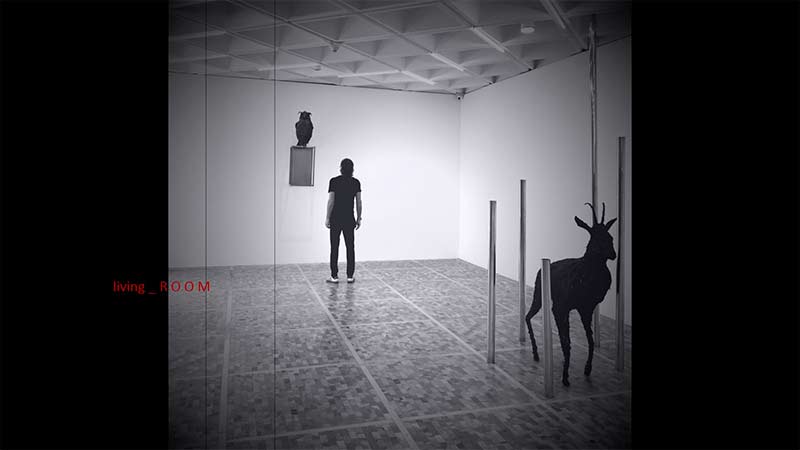
 Rainer Junghanns, Germany
Project: living_R O O M
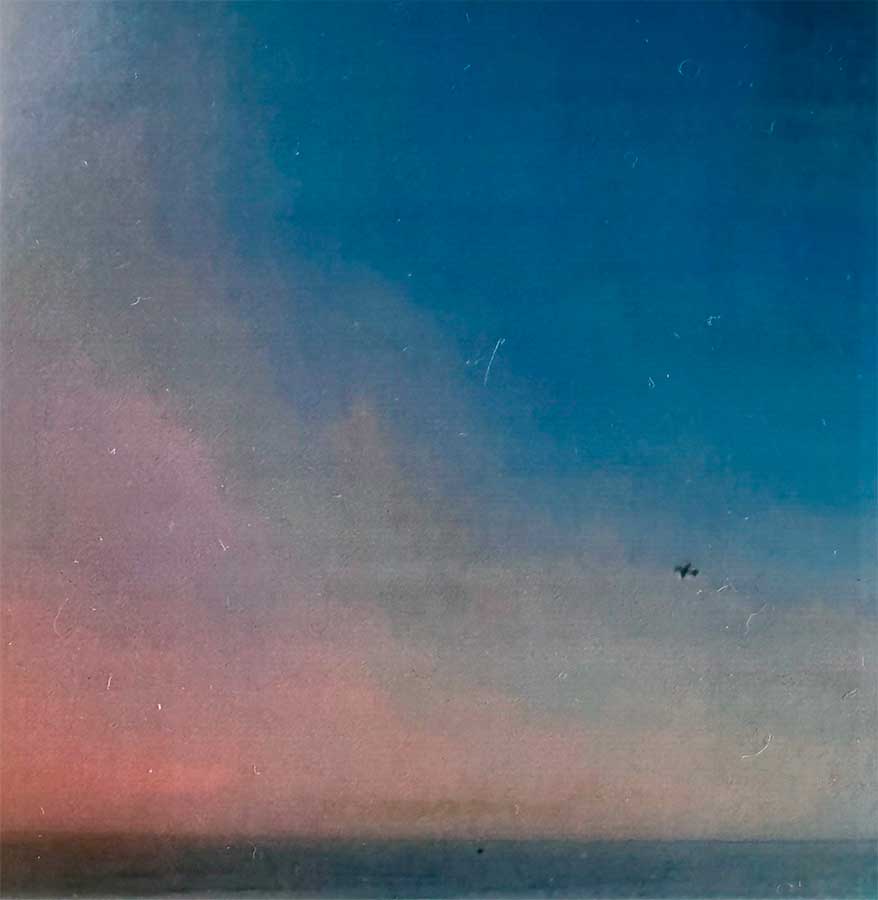
 Xiangjie Peng, China
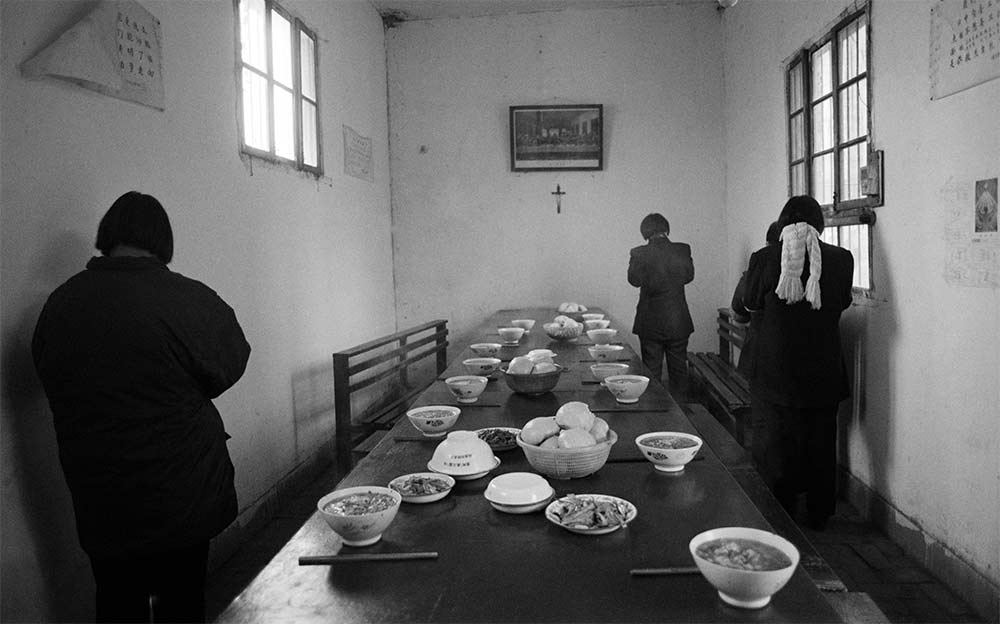
Project: Catholic Friends
 Jiang Jian, China
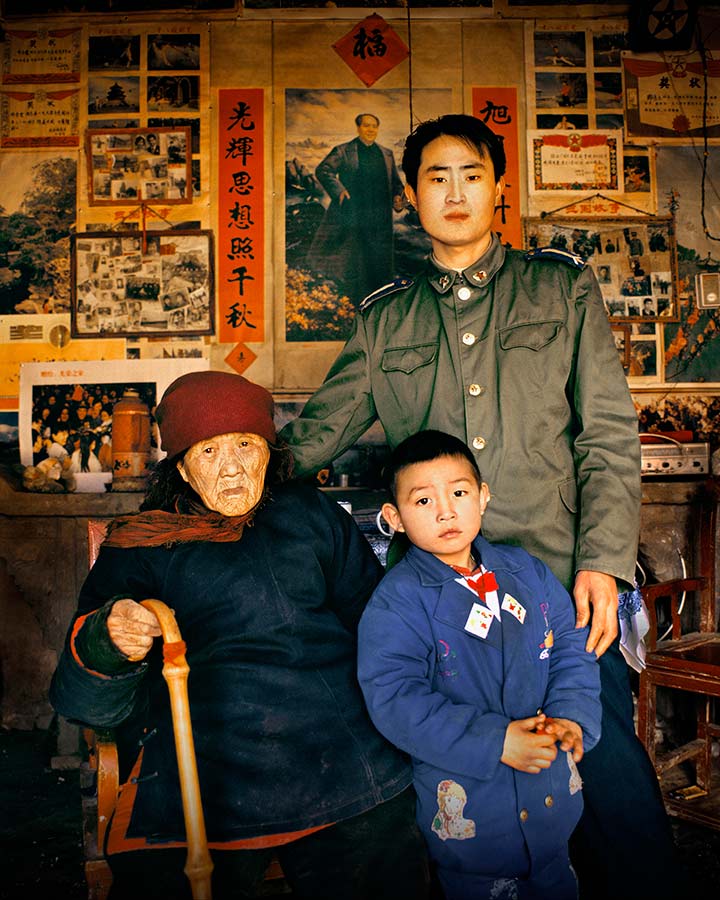
Project: Masters
 Choi Sangsik, South Korea
Project: Outside Within
 Kim Younghoon, South Korea
Project: Attachment Photography
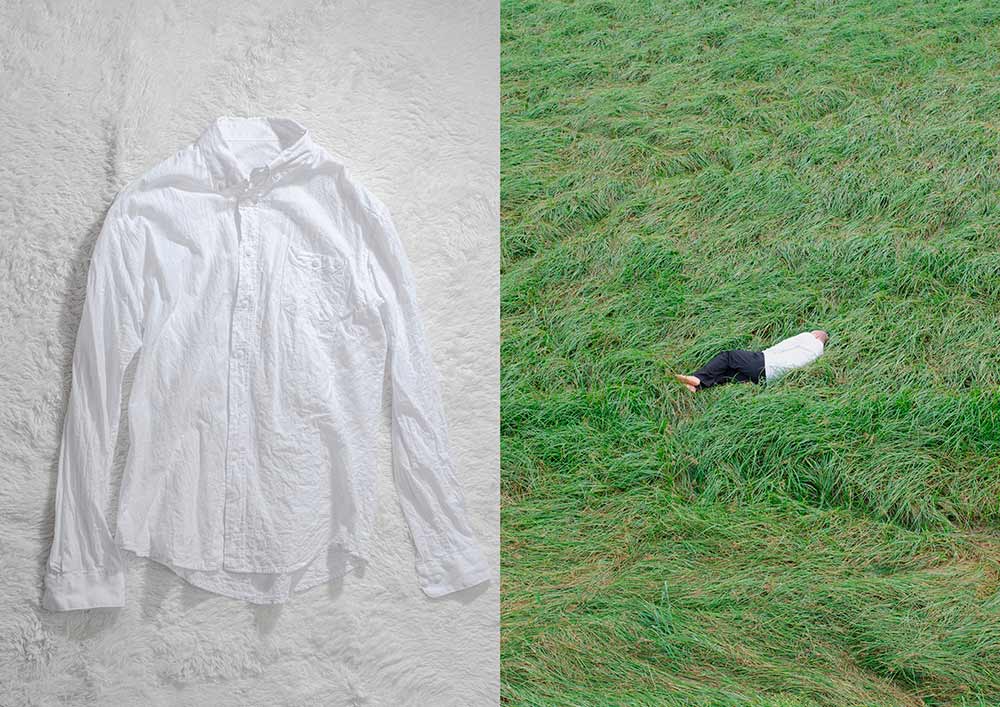
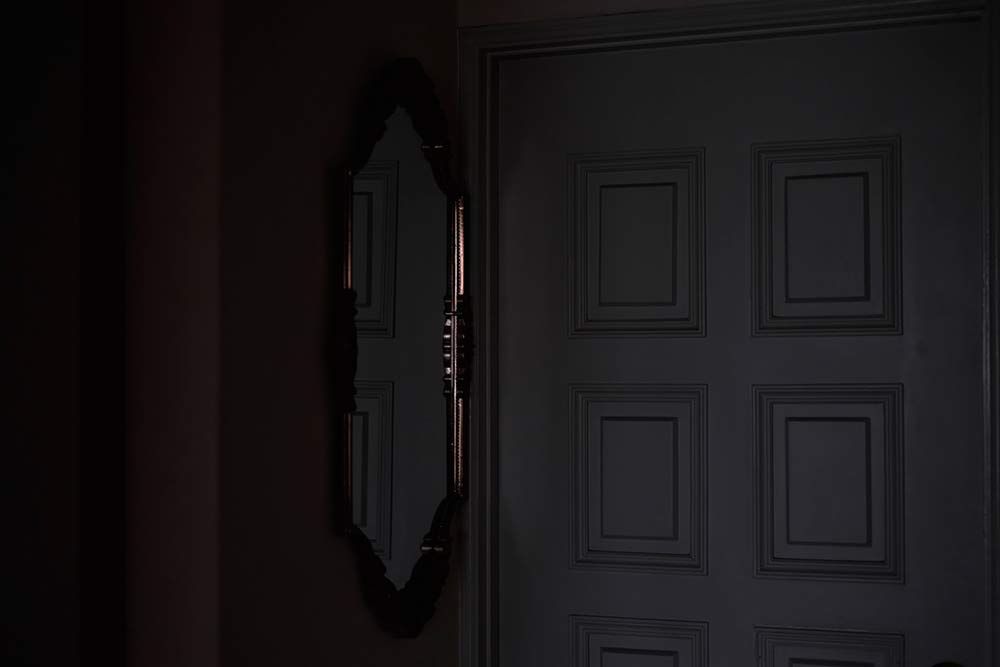
 Ralph Tepel, Germany
Project: Hope
 Kei Ogata, Japan
Project: A New Home
 Xiaojiao Yuan, China
Project: A Nest built from Loss
 Sheng Jin, China
Project: A Place to Belong
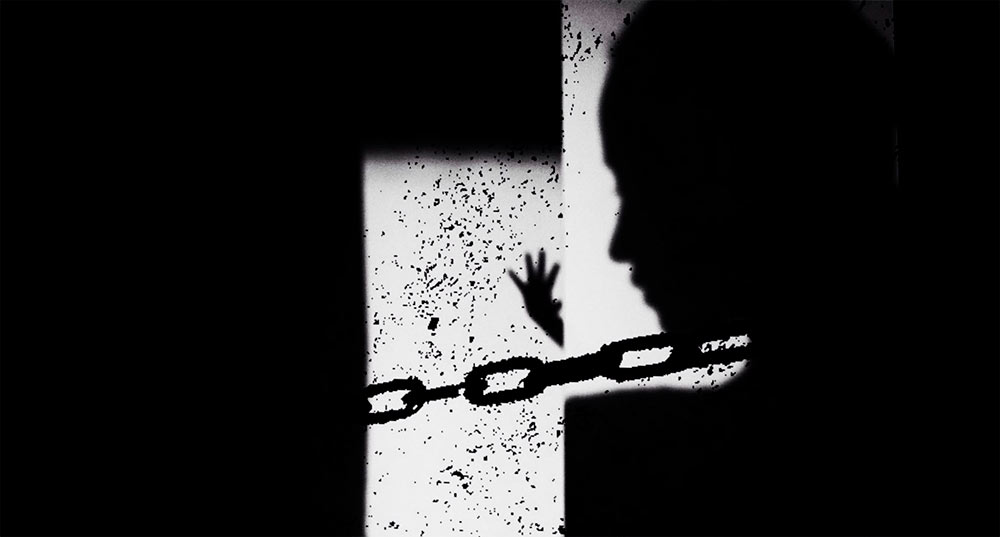
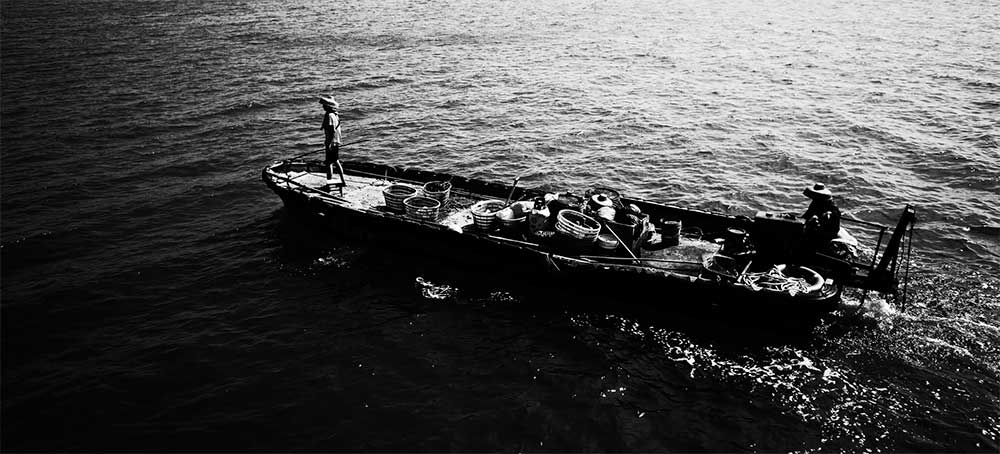
 Youngkwi Choi, South Korea
Project: Monologue 1
 Mihee Kim, South Korea
Project: Outis
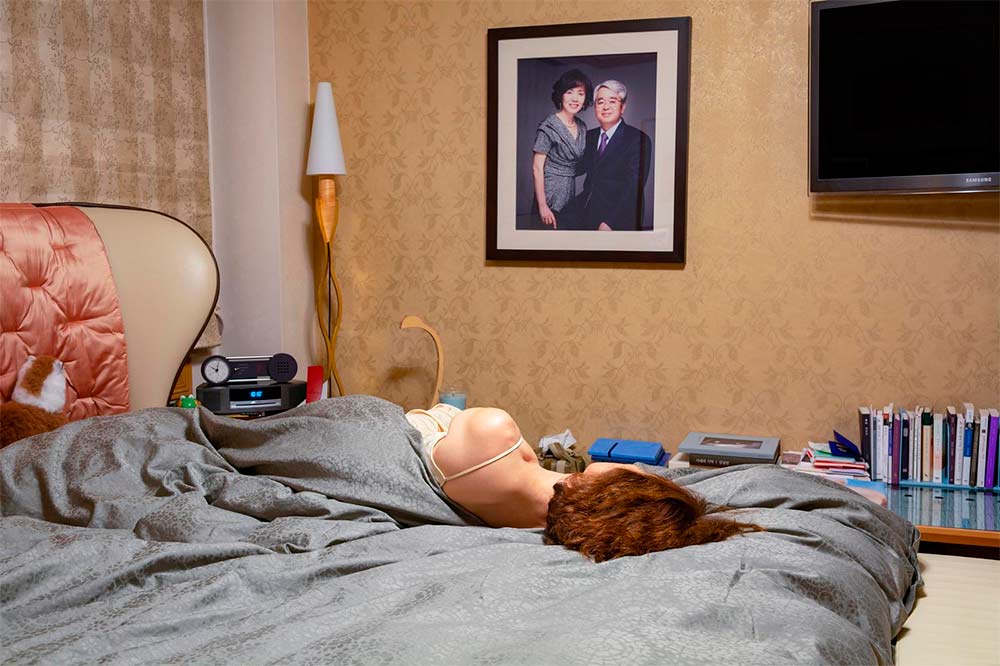
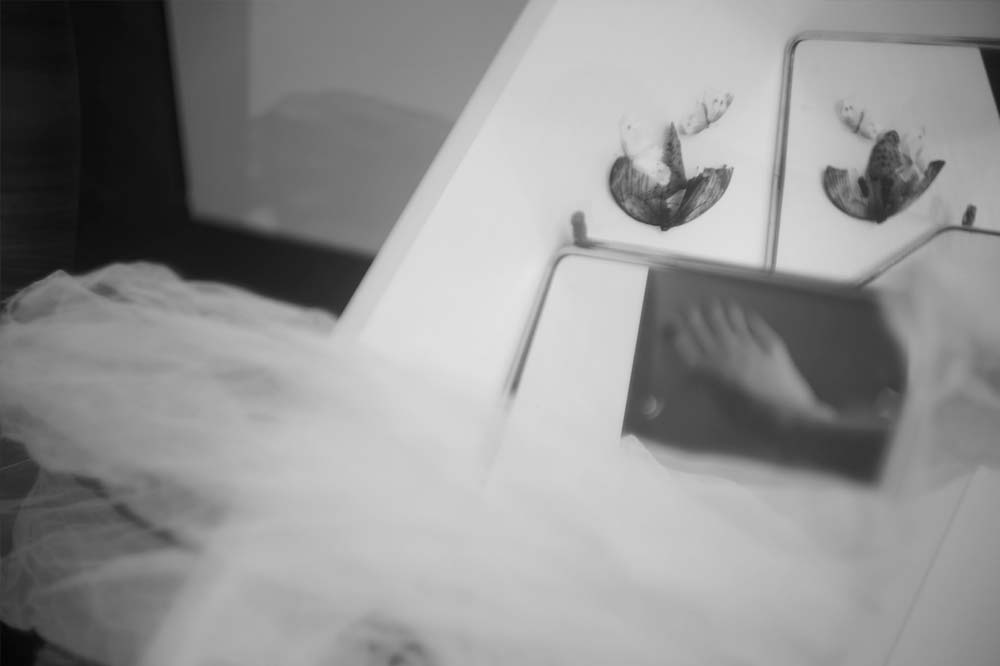
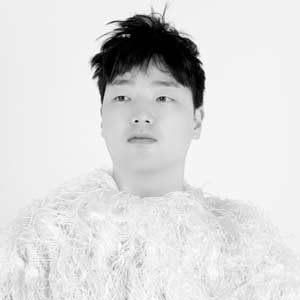 Jaekyun Lee, South Korea
Project: Between Calmness and Passion (2014~2017)
 Yeeun Lee, South Korea
Project: Sisphean Series
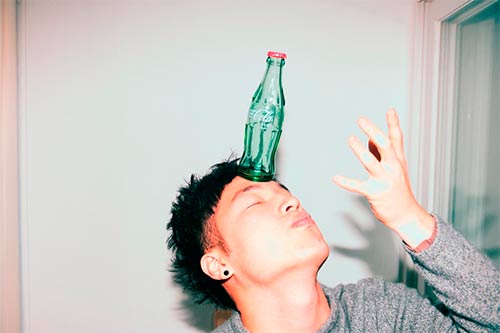
Jaekyun Lee closely observes things that are “Disvisual” such as faded histories, what has been concealed by power, and paradoxes that individuals pass by without noticing. Through photography, he explores how these elements operate within the human interior and within social structures.
Born 1995 – Based in Busan, Korea
GROUP EXHIBITIONS
2026 23rd SAJINBIPYONG AWARD-CREATIVE PRIZE (Photography), Space Poolsoop, Seoul, Korea
2025 “Residual Heat: Heat and Membrane,” Look Inside Gallery, Seoul
2025 Busan International Photo Festival, International Young Artists Exchange Exhibition, “Under the Skin: Heat and Membrane,” Ilsan-Suji, Busan
2025 23rd DongGang International Photo Festival, Street Installation Exhibition, “Yeongwol Jigi,” Yeongwol area, Yeongwol
2024 Busan Museum of Art Special Exhibition „LOVE AND PEACE: PIECE PIXELS“, Domohun, Busan
2024 24th Pingyao International Photo Festival „N in the Laboratory“, Shaanxi, China
2024 „The sea named Us“, Kyungpook National University Art Museum, Daegu, Korea
2023 “Texture of Flat”, Art District_P, Busan, Korea
2023 Ulsan Art Museum Face to face Project “Turn of Center”, Total Museum, Seoul, Korea
2023 BIPF portfolio review winner’s exhibition “The Silver Linings”, curator’s atelier49, Seoul,
Korea2022 Donggang International Photo Festival International Open Call Exhibition “Eureka! An Emerging Revelation”, Yeongwol, Korea
2022 “Chania International Photo festival”, Blank Wall Gallery, Chania, Greece
2022 Ulsan Art Museum Opening Exhibition “Face to Face 2021” Ulsan Art museum, Ulsan, Korea
2021 “Start-Line”, Shinsegae Gaellery, Busan, Korea
2021 Daegu Photo Biennale : Photography Department Exhibition, Daegu art factory, Daegu, Korea
SOLO EXHIBITION
2025 “X,” Ilsan-Suji, Busan, Korea
2023 “Image Craft : Dismantling ”, France Artspace, Busan, Korea
2023 “Newspace spectacles”, Hongti Art Center, Busan, Korea
2021 “The weak landscapehides a grotesque beast”, Gallery Sujeong, Busan, Korea
2020 “S.O.S : Social Organizatium System”, Seoriful Gallery, Seoul, Korea
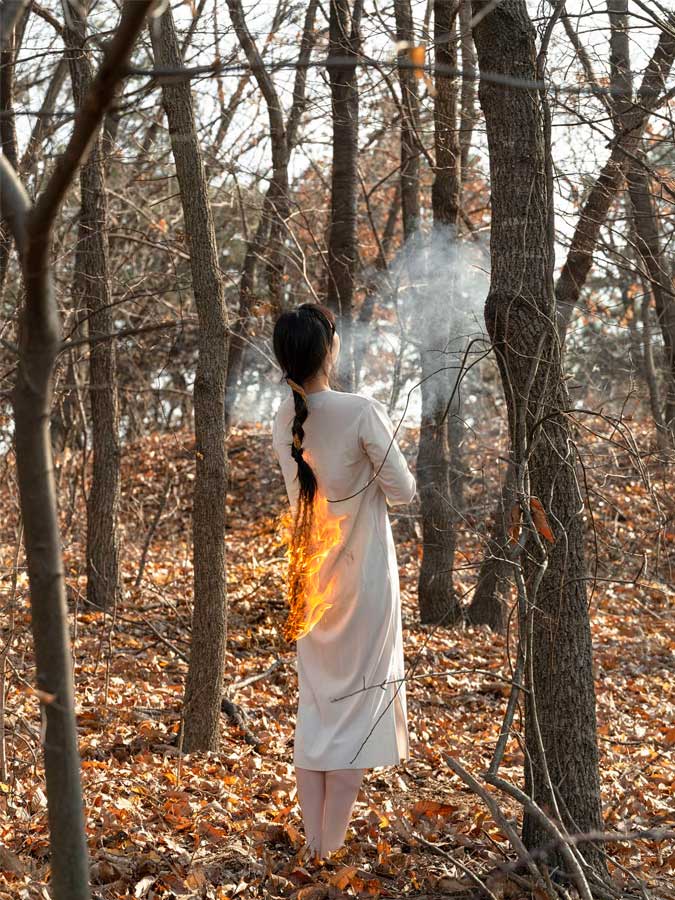
 Xinglei Lee, China
Project: Solitude
 Weiren Zhang, China
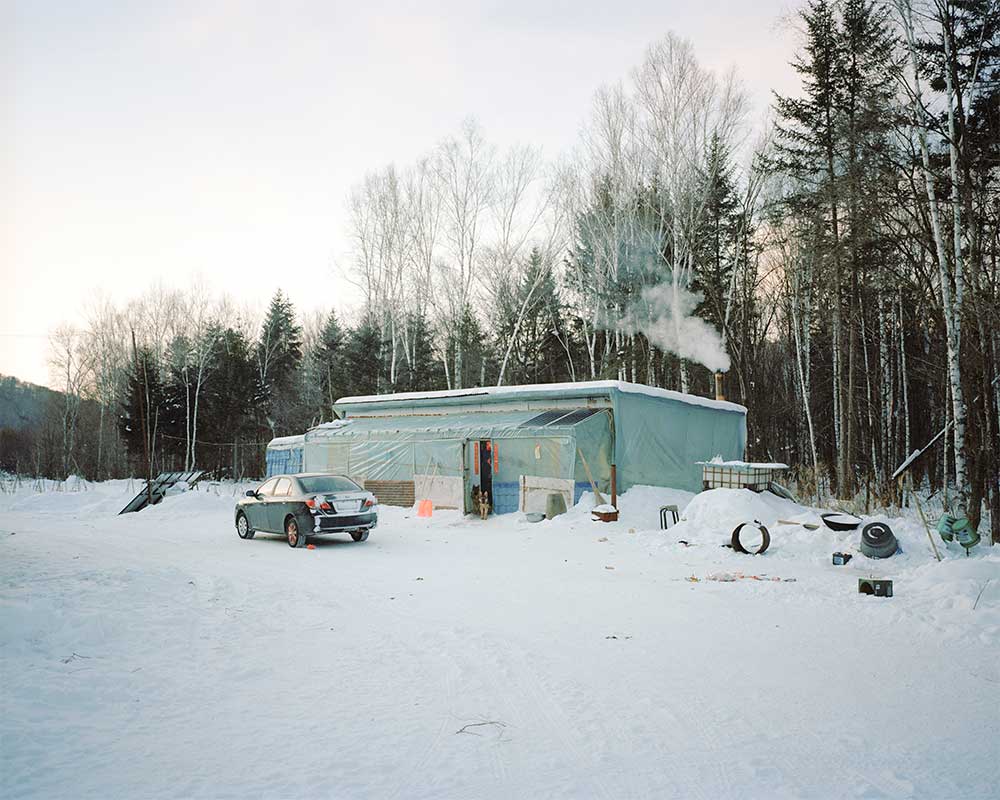
Project: Taiga
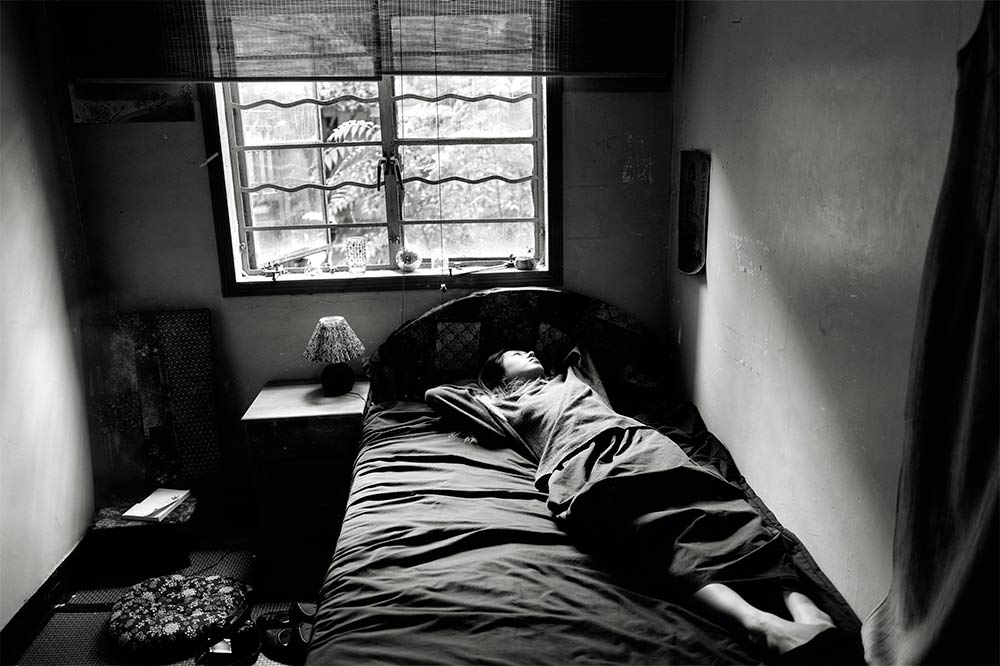
 Li Wei, China
Project: The Good Earth
 Shansheng Cui, China
Project: Northern Theater
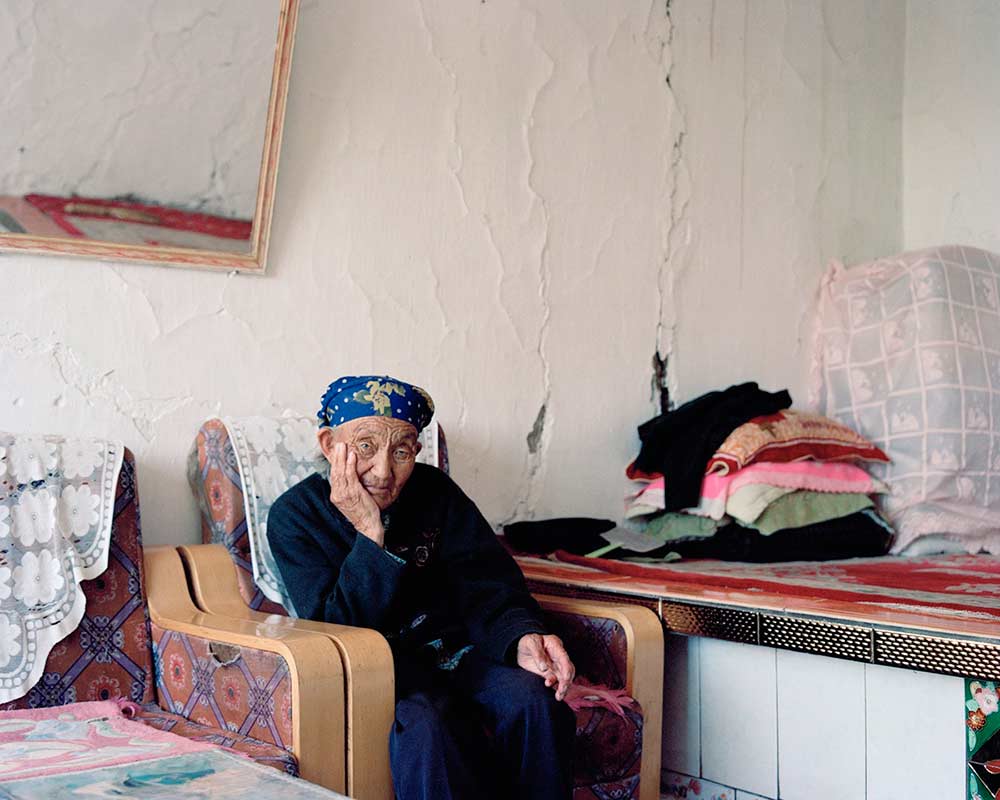
 Jincheol Lee, South Korea
Project: same ROOM
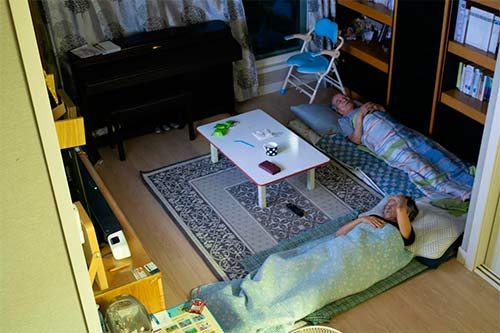 Jincheol Lee is a Korean photographer working with both conventional photography and alternative photographic processes, including gum printing and cyanotype. His practice explores personal experience, memory, and the traces of time, with particular attention to the physical and material qualities of the photographic image. He held his first solo exhibition, INITIO, in 2025 and has participated in a number of group exhibitions, including Unscanned (2025) and Homo Memoricus (2026). He also participated in the Cheongju International Art Fair in 2025 and the Imago Blueprinting group exhibition in 2026.
 Solji Jeon, South Korea
Project: Rule of Space
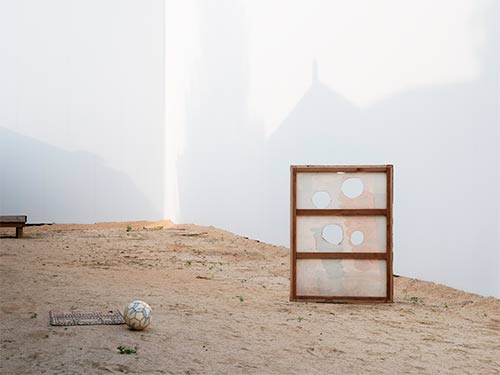 Working primarily with photography, Solji Jeon explores transformations that emerge through time, materiality, and perception. Through subtle elements such as airborne particles, dust accumulating on surfaces, and traces formed by the passage of time, her work investigates invisible movements and processes of change.
Education
Kaywon University
Group Exhibitions
Between Space, Space Aesthetics, Pyeongtaek, Korea, 2026
Echoes and Heat Haze, Gyeonggi Creation Center, Ansan, Korea, 2026
Layer > New > Layer, YArt Gallery, Seoul, Korea, 2026
Collection
Gyeonggi Cultural Foundation, 2025
Award& Selection
Portfolio Selected, Busan International Photo Festival, 2026
Gyeonggi Young Artist <New Blood>, Gyeonggi Cultural Foundation, 2025
 Hyunjin Park, South Korea
Project: Hideout(2023~)
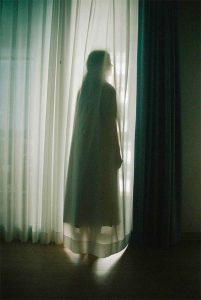 Hyunjin Park works primarily with photography and is a educator whose practice explores the diverse ways different bodies sense, experience, and encounter the world. Working with photography as a means of connection, she engages with various forms of life and accompanies them as they discover and express the world at their own pace. Her practice considers how relationships with others can unfold through photography, and how, through these encounters, we might slowly learn to understand and live with difference.